
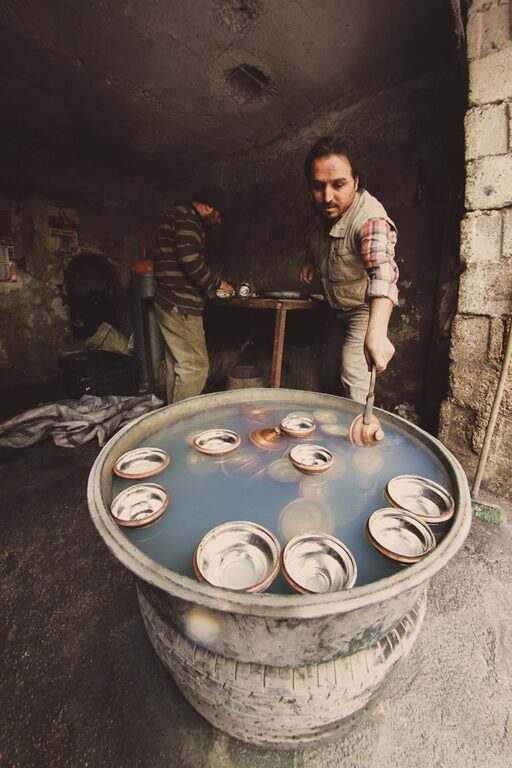
Preparing and enjoying dinner is often the highlight of the day, but the cleanup afterward can feel like a daunting task. Whether you’re cooking for yourself, your family, or guests, making dinner cleanup easier can save time, reduce stress, and keep your kitchen tidy. Fortunately, a few simple habits and clever tricks can make a big difference.
In this blog post, we’ll explore practical ideas to simplify dinner cleanup, from planning and cooking to washing dishes and tidying the kitchen. Let’s make mealtime more enjoyable from start to finish!
1. Plan Ahead to Minimize Mess
Use One-Pot or One-Pan Recipes
One of the easiest ways to reduce cleanup is to cook meals that use fewer dishes. Try recipes designed for a single pot, pan, or sheet tray. Soups, stews, casseroles, and stir-fries often require minimal cookware and utensils.
Prep Ingredients Beforehand
Chopping vegetables, marinating meat, or measuring spices before you start cooking means you won’t need to pause and get messy later. Using small prep bowls can help keep your workspace organized and reduce spills.
Line Pans and Trays
Use parchment paper or aluminum foil to line baking sheets or roasting pans. This prevents food from sticking and small drips from burning onto your cookware, making cleanup much quicker.
2. Maintain a Clean Workspace While Cooking
Clean As You Go
Try to wash cutting boards, knives, and mixing bowls as soon as you’re done using them. Wiping counters immediately after spills prevents stains and sticky build-up. This “clean-as-you-go” approach keeps your kitchen manageable and your cooking area clear.
Use Disposable or Reusable Prep Mats
Invest in a silicone prep mat or use parchment paper on your countertops when preparing foods that are messy, like raw chicken or fish. After cooking, these mats can be easily cleaned or disposed of, limiting countertop scrubbing.
3. Simplify Dishwashing
Soak Dishes Right Away
Fill pots, pans, and dishes with warm water and a bit of dish soap immediately after use. This prevents stuck-on food and reduces scrubbing time later.
Organize the Dishwasher Efficiently
If you use a dishwasher, scrape off leftover food and arrange items so water and detergent reach every surface. Group similar items together for easier unloading and loading.
Handwash Smartly
Fill one side of the sink or a basin with warm soapy water and the other with clean rinse water. Wash, then rinse dishes in sequence to avoid wasting time and water.
4. Make Use of Time-Saving Tools
Invest in a Good Garbage Disposal or Compost Bin
Having a garbage disposal or compost system makes it easier to dispose of food scraps quickly. This prevents buildup in your sink and reduces lingering odors.
Use Multipurpose Cleaning Tools
Keep a few versatile cleaning tools handy, like microfiber cloths, sponges with scrubbing sides, and all-purpose kitchen cleaners. They can handle different cleanup tasks without needing multiple products.
Consider Countertop Dish Dryers or Racks
A handy dish rack helps dishes air dry efficiently. Some models fit into smaller spaces and speed up the drying process, reducing clutter on your counters.
5. Make Cleanup a Shared Activity
Assign Roles to Family Members
Whether you live with family, roommates, or friends, sharing cleanup duties makes the process faster and less tedious. For example, one person washes, another dries, and a third puts dishes away.
Set a Cleanup Timer
Making cleanup feel like a game helps motivate everyone to pitch in. Set a timer for 15 or 20 minutes and see how much of the work can be done before it goes off.
Clean Up While Waiting
If there’s a wait time while the food cooks, use this opportunity to wash a few dishes or wipe surfaces. Small tasks add up and prevent a big mess after dinner.
6. Organize Your Kitchen for Efficiency
Keep Frequently Used Items Accessible
Store plates, glasses, utensils, and pots near your cooking and eating areas. This minimizes movement and clutter when setting the table or clearing it afterward.
Use Bins and Caddies for Cleaning Supplies
Having all your cleaning tools gathered in an easy-to-carry container means you can quickly grab what you need and move around efficiently.
Designate Zones
Create designated spaces for food prep, cooking, serving, and cleaning. This helps avoid overlapping tasks and keeps the kitchen orderly.
7. Develop Consistent Habits
End Your Meal with Quick Tidying
After dinner, spend a few minutes scraping plates and tossing trash. This prevents garbage from piling up and dishes from stacking endlessly.
Avoid Using Excessive Dishes
Try to reuse mixing bowls or use the same plate for different meal components when appropriate. Fewer dishes mean less cleanup.
Regularly Deep Clean Your Kitchen
Periodically clean sinks, countertops, and appliances to avoid hard-to-remove stains and buildup. A clean kitchen is easier to maintain daily.
—
Final Thoughts
Transforming your dinner cleanup routine into a simple, manageable task boosts your kitchen enjoyment and frees up time for relaxing or other activities. With these easy-to-adopt tips—like planning ahead, cleaning as you go, and sharing the work—you’ll find cleanup is no longer a chore but just a natural part of your mealtime rhythm.
Give these ideas a try at your next dinner and enjoy the extra minutes saved for yourself!
—
Thanks for reading! If you have your own favorite dinner cleanup tips, feel free to share them in the comments below. Happy cooking and cleaning!